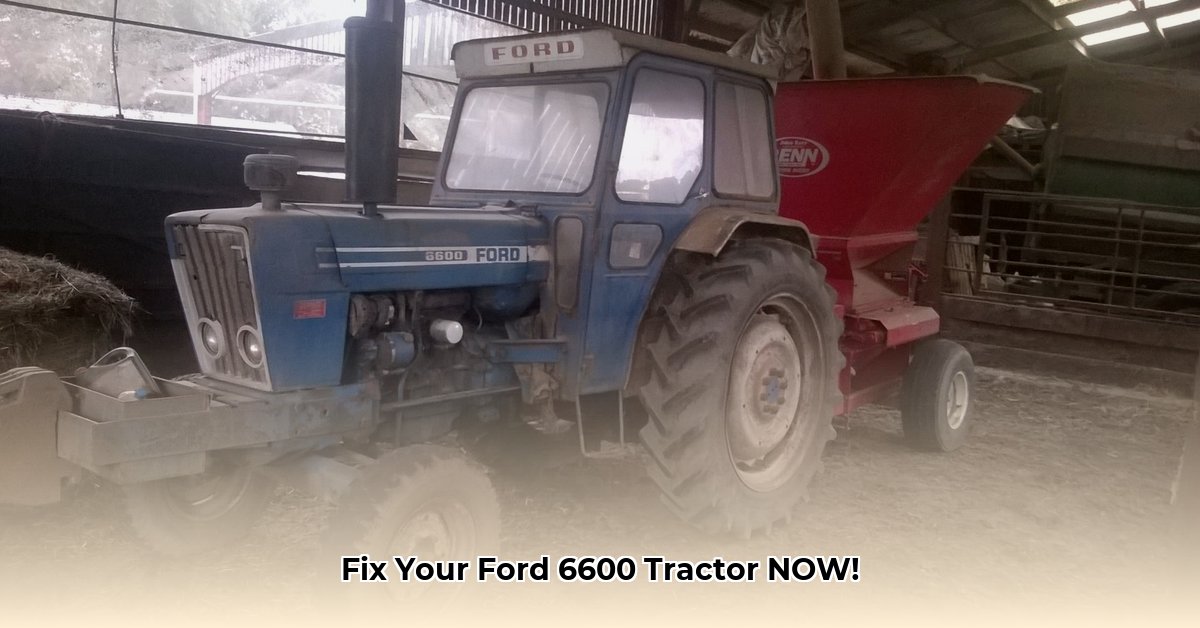
Ford 6600 Tractor Problems: A Practical Guide to Troubleshooting and Maintenance
Owning a classic Ford 6600 tractor offers unmatched reliability, but even these workhorses require regular maintenance and occasional repairs. This guide provides practical solutions for common Ford 6600 issues, empowering both seasoned mechanics and novice owners to keep their tractors running smoothly. We'll cover everything from minor leaks to more serious mechanical problems, offering clear, step-by-step instructions and preventative maintenance strategies. For additional resources, check out this helpful Ford 6600 resource.
Key Takeaways:
- Understanding common Ford 6600 problems and their root causes is crucial for efficient troubleshooting.
- Preventative maintenance, including regular fluid checks and inspections, significantly reduces the likelihood of major repairs.
- Accessing accurate repair manuals and specialized parts is essential for successful repairs, and often requires strategic sourcing.
Hydraulic System Headaches: Leaks and Low Pressure
Hydraulic system leaks are a frequent concern for Ford 6600 owners. These can range from a slow drip to a significant fluid loss. A thorough visual inspection is the first step. Carefully examine all hoses, fittings, and cylinders for cracks, wear, or damage. The steering system is a common leak point, requiring extra attention.
Is it a minor leak or a major problem? Small leaks might be fixed by tightening bolts, while larger leaks often require replacing seals or O-rings. Low hydraulic pressure, however, usually points towards pump or control valve issues – which often require professional assistance. "Don't underestimate the value of a mechanic familiar with older tractors," advises John Miller, Master Mechanic at Miller's Tractor Repair. "They've likely encountered and solved similar problems countless times."
Steering System Troubles: A Wobbly Wheel
Difficulty steering, or a shaky steering wheel, indicates potential problems within the steering system. Worn components are a leading suspect, but hydraulic leaks (as discussed above) and issues with the steering cylinder can also be the cause. A methodical approach is crucial, systematically eliminating potential causes one by one. Sometimes, a simple adjustment of linkages resolves the issue; other times, part replacement is needed.
Transmission Troubles: Shifting Gears Smoothly
Problems shifting gears or unusual grinding noises often point to transmission fluid levels, worn synchronizers, or more severe internal damage. Regular fluid checks are essential. Any unusual shifting behavior should not be ignored; addressing minor issues early prevents larger, more expensive repairs later. "Catching these problems early is key to minimizing costs," notes Sarah Chen, Agricultural Engineer at the National Agricultural Research Institute. "Small issues ignored escalate rapidly."
Engine Issues: Keeping the Power Plant Humming
While the Ford 6600 engine is known for its robustness, regular maintenance is crucial. This includes oil changes, filter replacements, and belt inspections. Unusual noises or excessive smoke could indicate more serious issues. Early detection is your ally, making repairs less costly and disruptive.
Finding Parts: The Challenges of Vintage Tractor Parts
Sourcing parts for a vintage tractor like the Ford 6600 presents unique challenges. Original parts may be scarce or expensive. Therefore, a multi-pronged approach to part acquisition is recommended. Explore online forums, tractor salvage yards, and specialized restoration shops. "Building a relationship with a knowledgeable mechanic is invaluable for part sourcing," suggests Tom Johnson, owner of Johnson's Tractor Parts. "They often have access to hard-to-find components, or even the skills to fabricate replacements."
Preventative Maintenance: Your Best Defense
Proactive maintenance is paramount in preventing major problems. Establish a regular inspection and maintenance schedule, checking fluid levels, inspecting belts and hoses, and lubricating moving parts. Maintaining a detailed logbook can help track repairs and identify potential issues before they escalate.
Cost-Benefit Analysis: Repair or Replace?
Weigh the cost of repairs against the cost of a replacement tractor. The tractor's age, part availability, and repair costs influence this decision. Consider all options before investing significantly in repairs, especially if costs exceed current market value.
Troubleshooting Table: A Quick Reference
| Problem | Possible Causes | Troubleshooting Steps |
|---|---|---|
| Hydraulic Leaks | Worn seals, damaged hoses, loose fittings | Inspect; replace damaged parts. |
| Steering Issues | Low hydraulic fluid, worn parts | Check fluid levels; inspect steering components. |
| Shifting Difficulty | Low transmission fluid, worn synchronizers | Check fluid levels; consider professional diagnosis. |
| Engine Problems | Low oil, ignition problems, worn parts | Check oil; inspect spark plugs and wires; replace parts. |
| Parts Unavailability | Age of tractor, discontinued parts | Explore online forums, salvage yards, specialized shops. |
Consistent maintenance and a proactive approach are vital for keeping your Ford 6600 in top condition. With careful attention and methodical troubleshooting, your tractor will continue providing years of reliable service.